
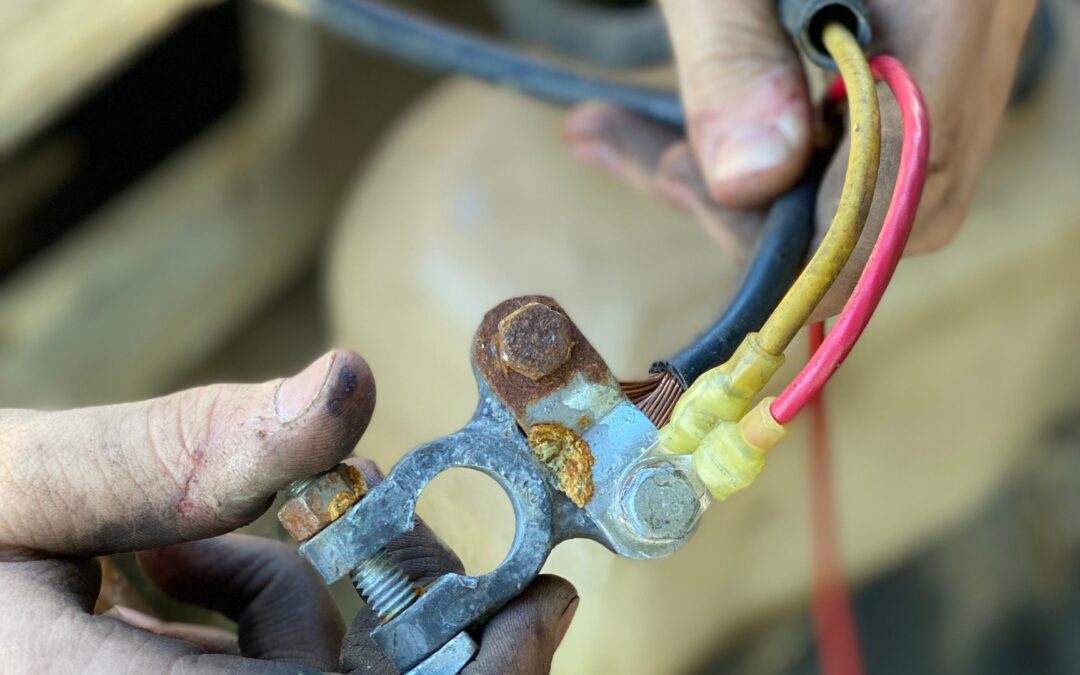
Trailer lighting problems can become frustrating when brake lights stop working, turn signals flicker, or running lights fail without warning. Corroded wiring and poor grounding are common causes. Moisture, road salt, dirt, and repeated exposure to changing weather can affect electrical connections over time.
Understanding the basics of trailer wiring may help you identify a problem before replacing parts unnecessarily. However, electrical repairs should be approached carefully, particularly when damaged wires or connectors are involved.
Start With a Visual Inspection
Begin by disconnecting the trailer from the towing vehicle. Inspect the wiring harness from the plug toward the trailer lights. Look for cracked insulation, exposed copper, loose connections, damaged connectors, or areas where wires may have rubbed against the frame.
Pay particular attention to locations where water can collect. Corrosion often appears as a greenish or white buildup around terminals and connectors. If the wiring has extensive damage, replacing the affected section may be more reliable than simply cleaning the corrosion.
Check the Ground Connection
A poor ground can cause several unusual trailer-light symptoms. Lights may become dim, flicker, operate intermittently, or cause multiple functions to behave incorrectly. Many trailers ground their lighting system through a dedicated wire connected to the trailer frame.
Check that this connection is secure and free from rust, paint, or other material that could interfere with electrical contact. A loose ground connection should be cleaned and secured properly. If the frame connection is heavily corroded, the affected hardware or wiring may need replacement.
Inspect the Trailer Plug
The plug connecting the trailer to the tow vehicle is another area where corrosion can develop. Examine the terminals for moisture, dirt, or oxidation. A damaged plug may prevent power from reaching one or more circuits. If cleaning does not restore a secure connection, replacing the plug may be necessary.
Avoid forcing corroded terminals together. Doing so can damage the connector and make the electrical problem more difficult to diagnose.
Test Each Circuit
If the problem is not obvious, testing can help identify where the electrical connection is failing. A multimeter or appropriate trailer-light tester can be used to check for voltage and continuity. Test the relevant circuits individually, including running lights, brake lights, turn signals, and ground.
If power reaches the plug but does not reach a particular light, inspect the wiring between those points. When working with trailer parts in Edmonton, make sure replacement components match the trailer’s electrical system and intended application.
Protect New Connections
After repairing damaged wiring, protect the connection from future moisture and contamination. Weather-resistant connectors and properly sealed electrical connections may help reduce corrosion.
Wires should also be routed away from sharp edges, moving components, and areas where they could become pinched. Secure loose wiring with suitable fasteners rather than allowing it to hang beneath the trailer. Regular inspection is particularly useful for trailers that travel frequently on wet or salted roads.
When Replacement Makes More Sense
Sometimes corrosion is extensive enough that repairing individual connections is not practical. If multiple sections of the harness are damaged, replacing the wiring system may provide a more straightforward solution.
The same principle applies when evaluating a trailer with recurring electrical issues. If you are considering a cargo trailer in Edmonton, inspect the wiring, lighting, connectors, and other components before putting the trailer into regular service.
Get Your Trailer Ready for the Road!
Whether you need replacement components or are considering a trailer for hauling and work, Beothuck Trailers offers trailer options and related support. If you are researching trailer parts in Edmonton or looking for a cargo trailer in Edmonton, contact Beothuck Trailers to discuss your requirements and available options.
Recent Comments